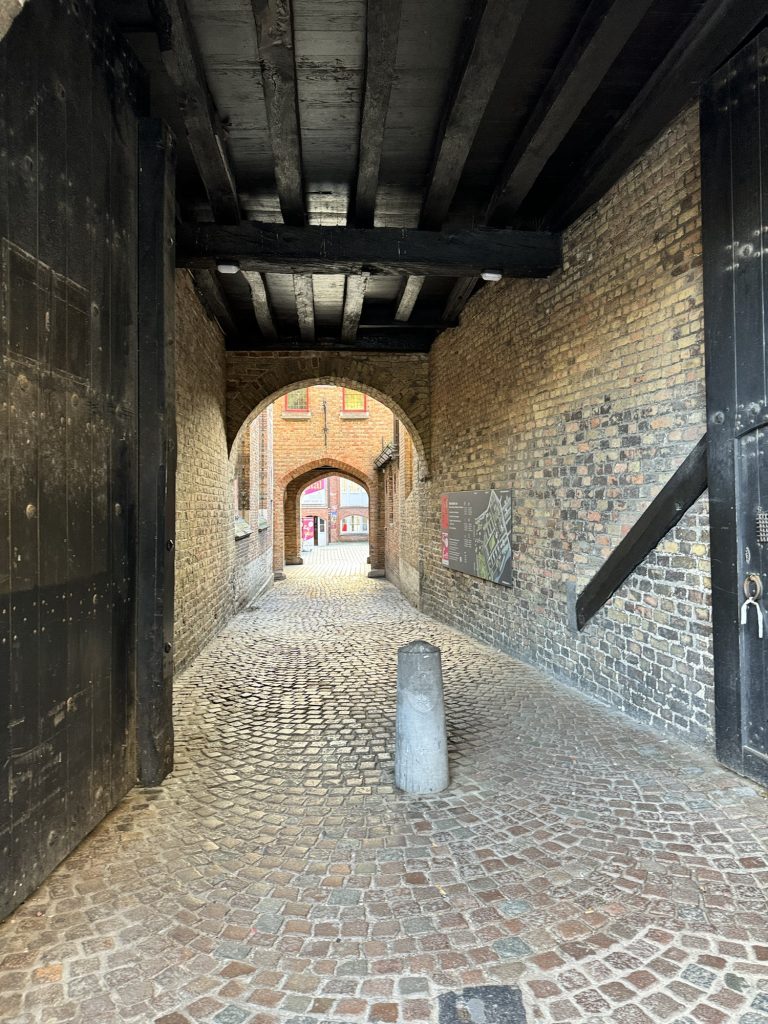
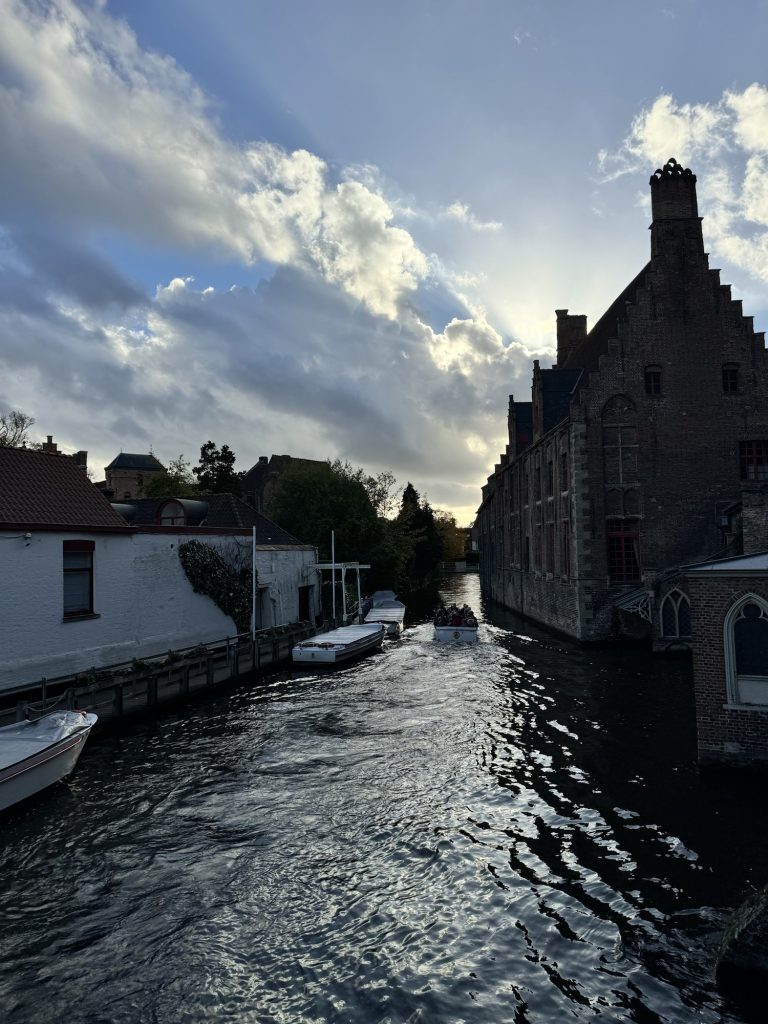
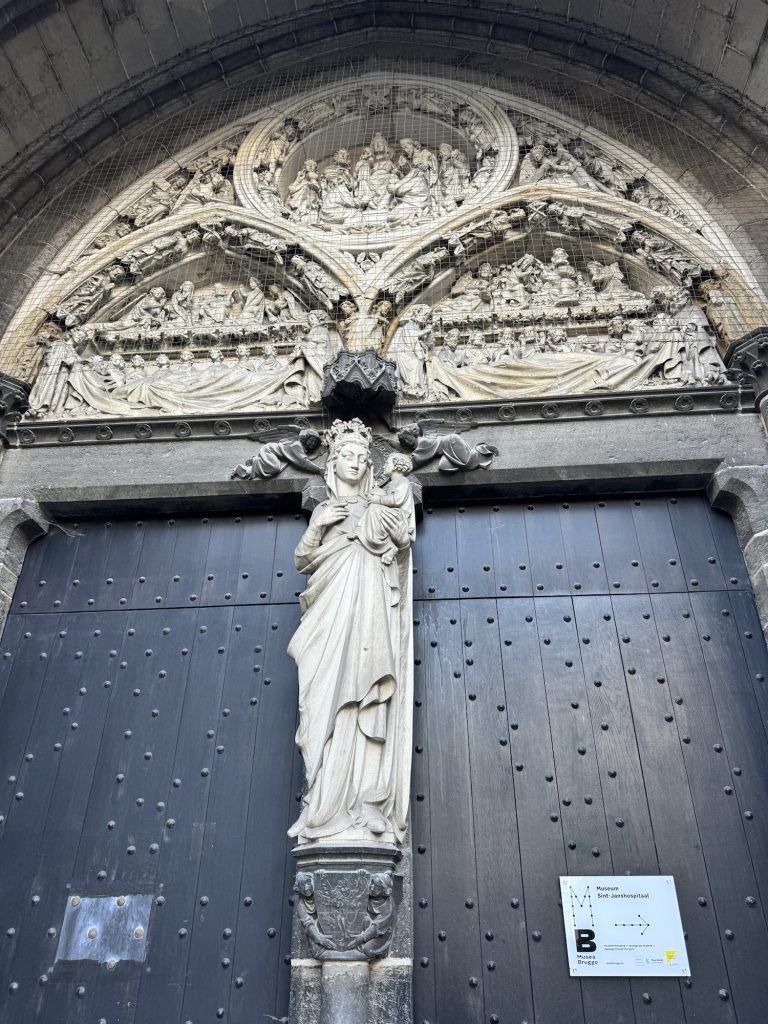
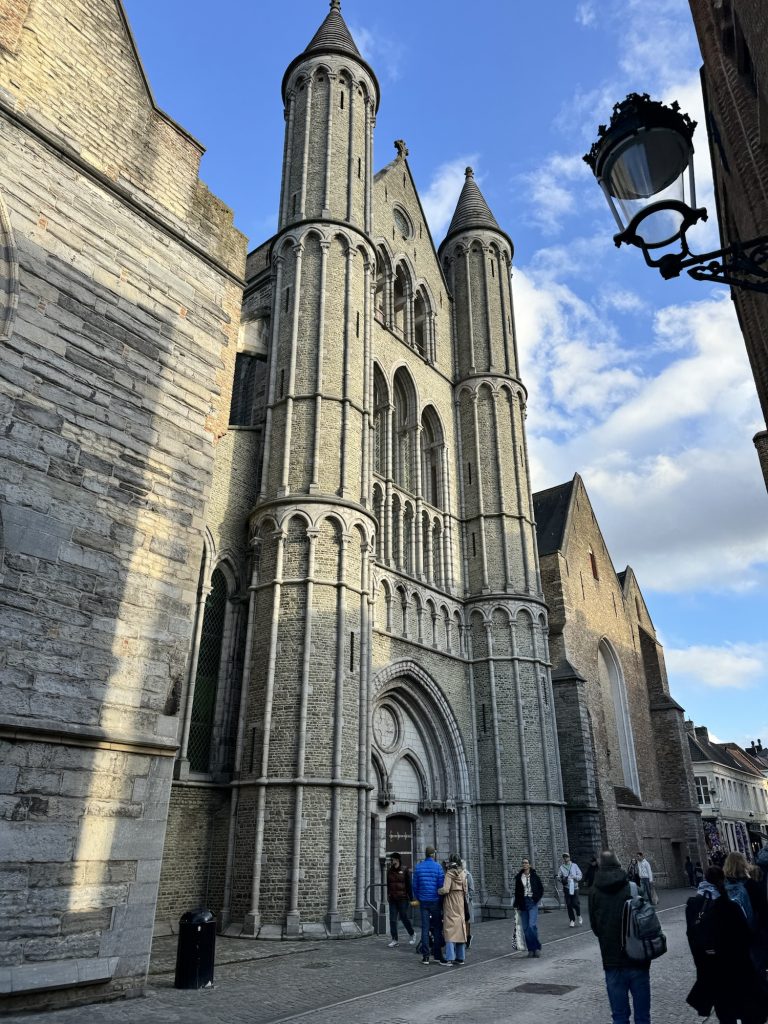
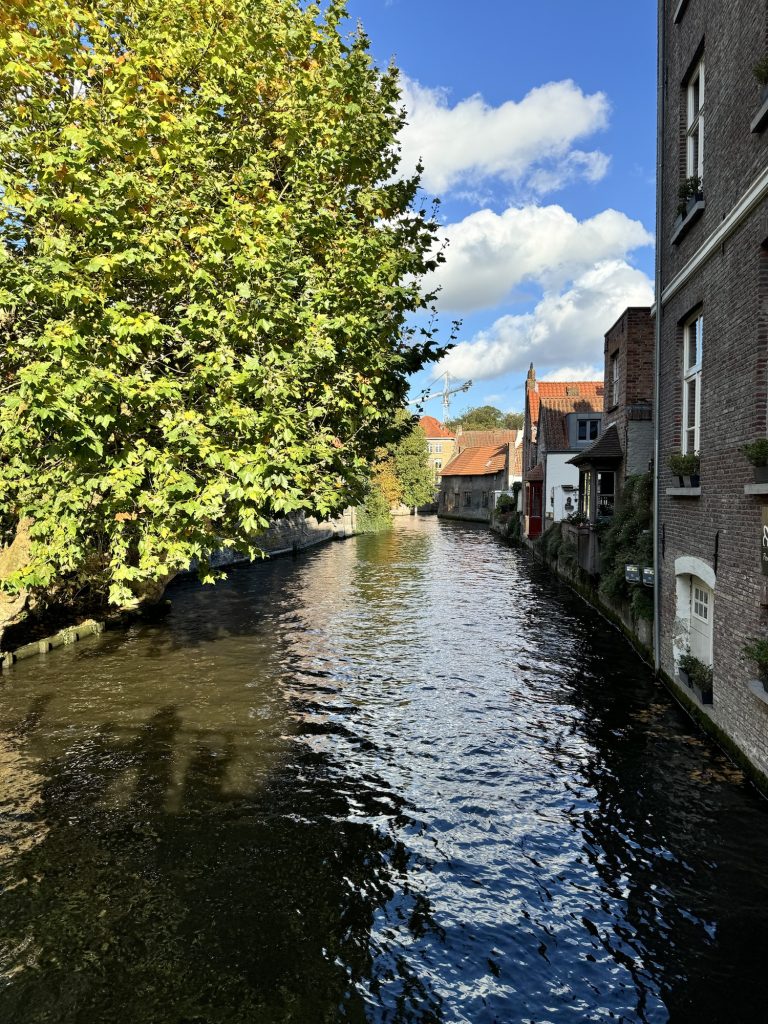
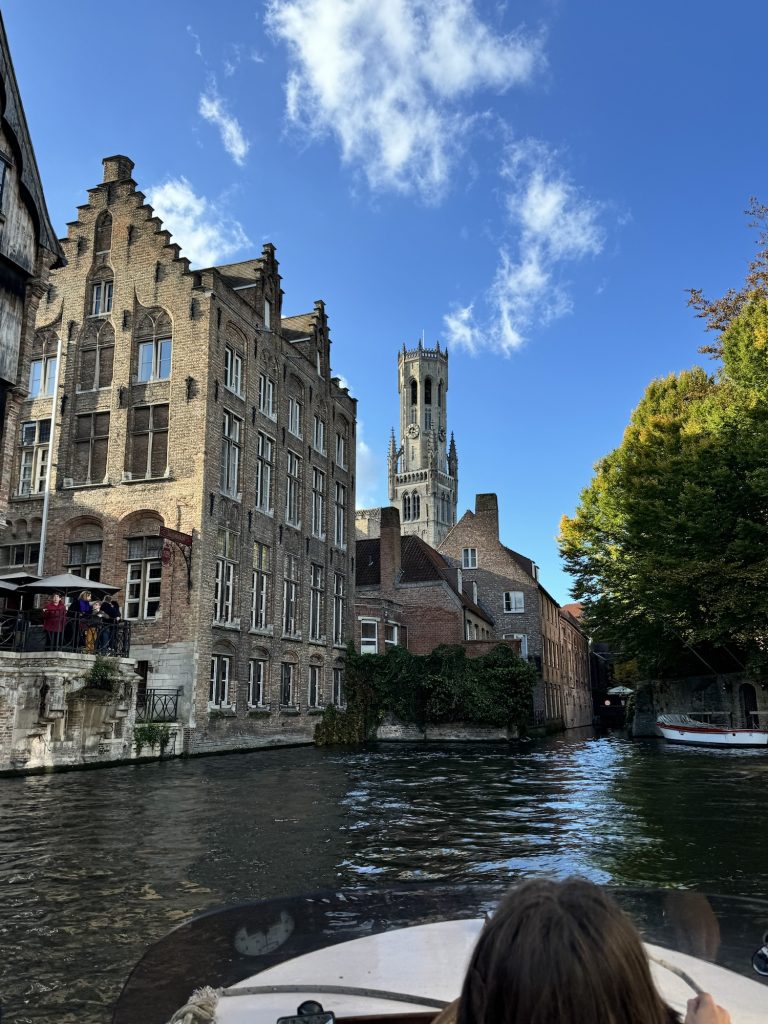
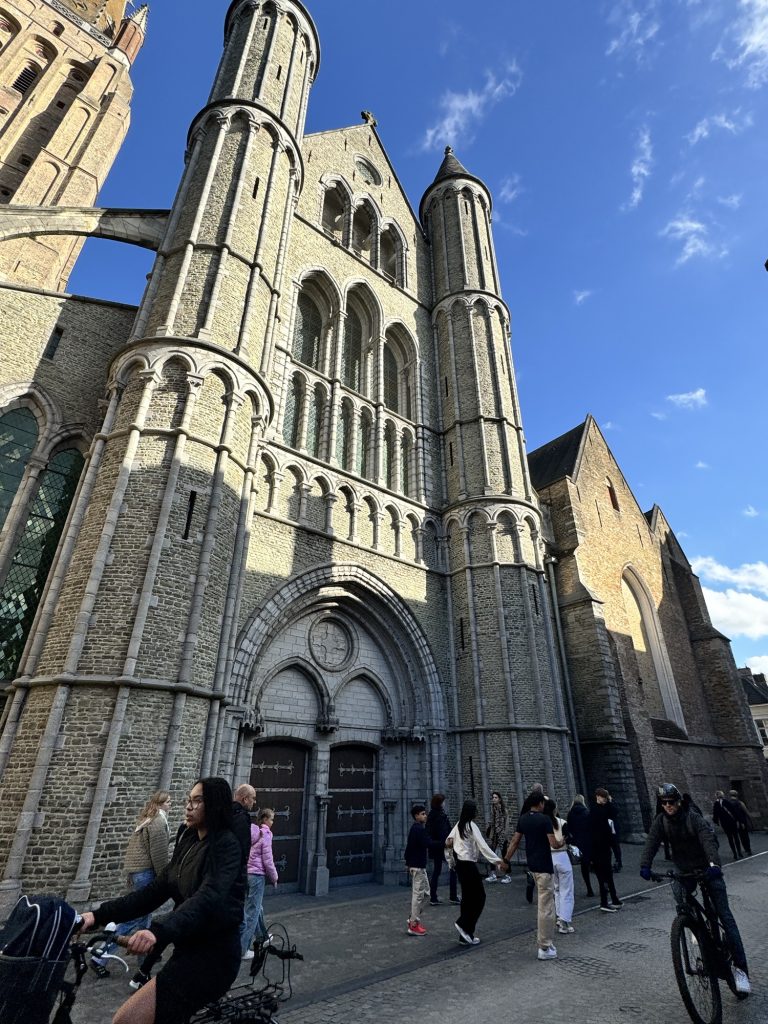
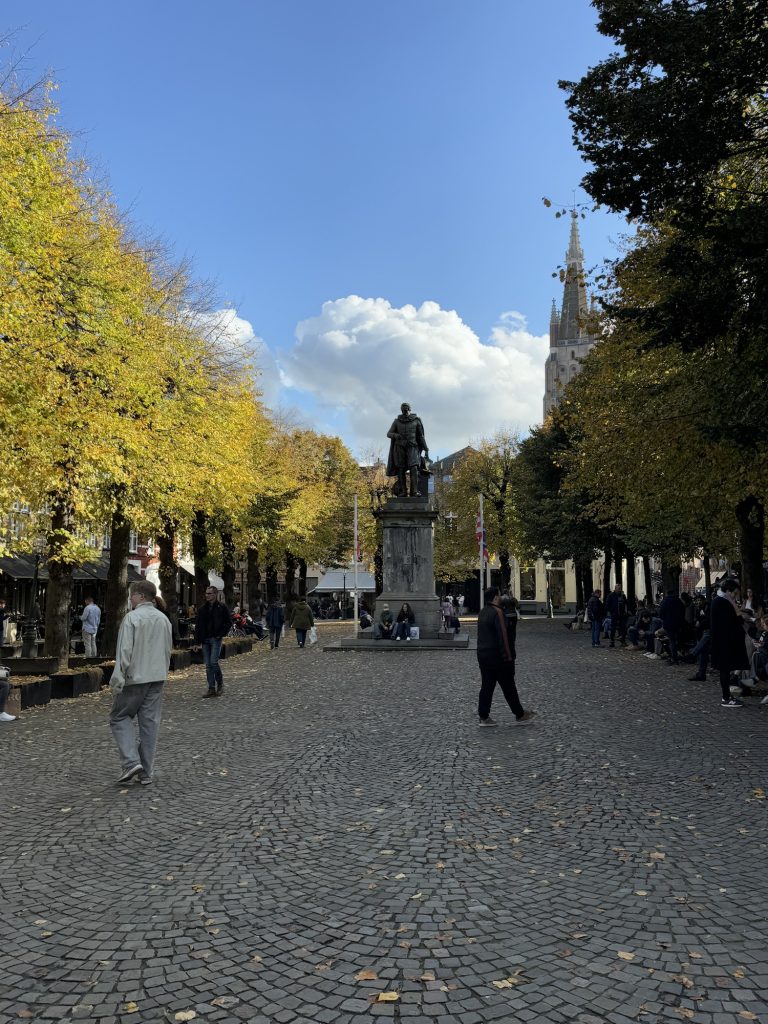
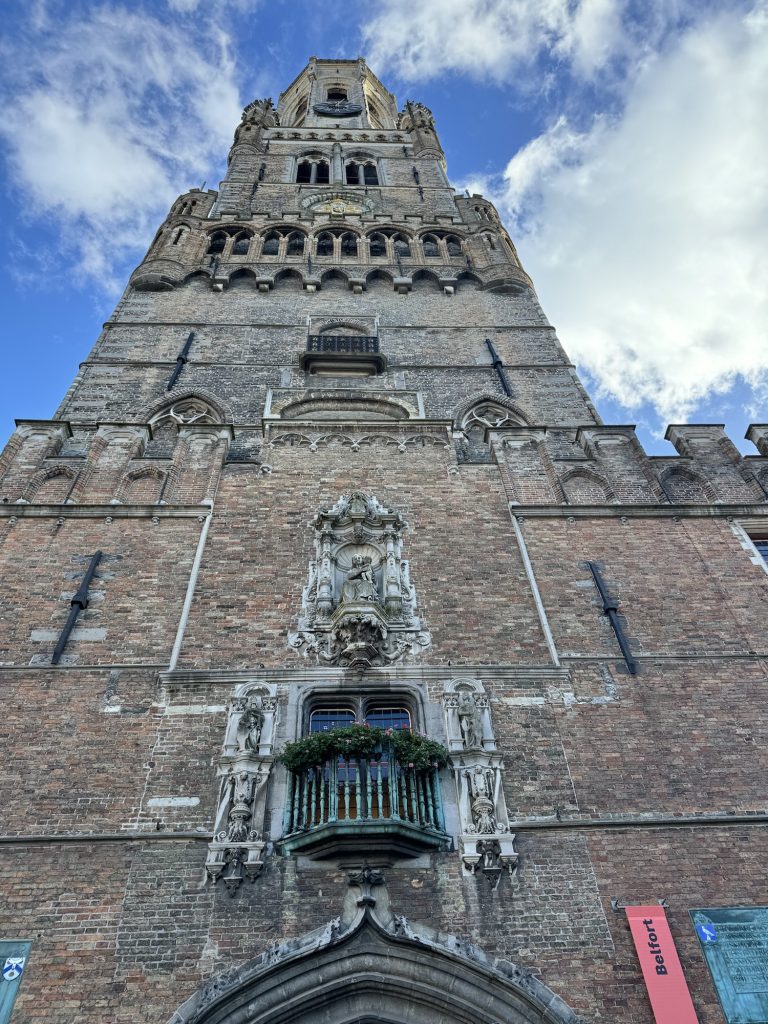
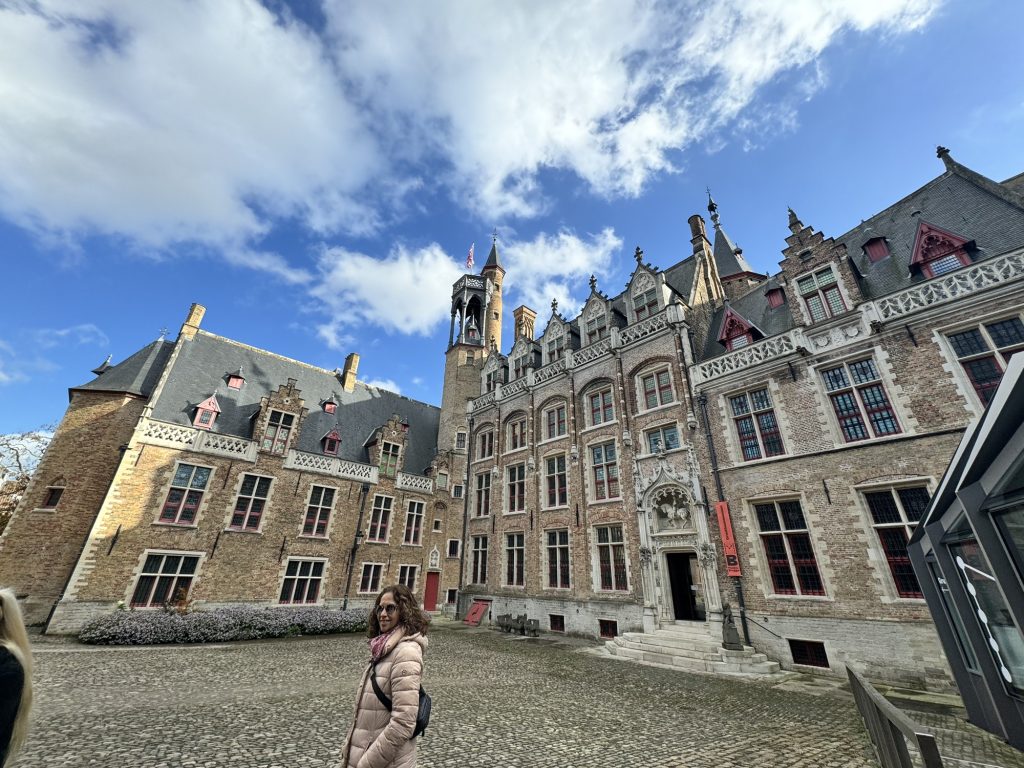
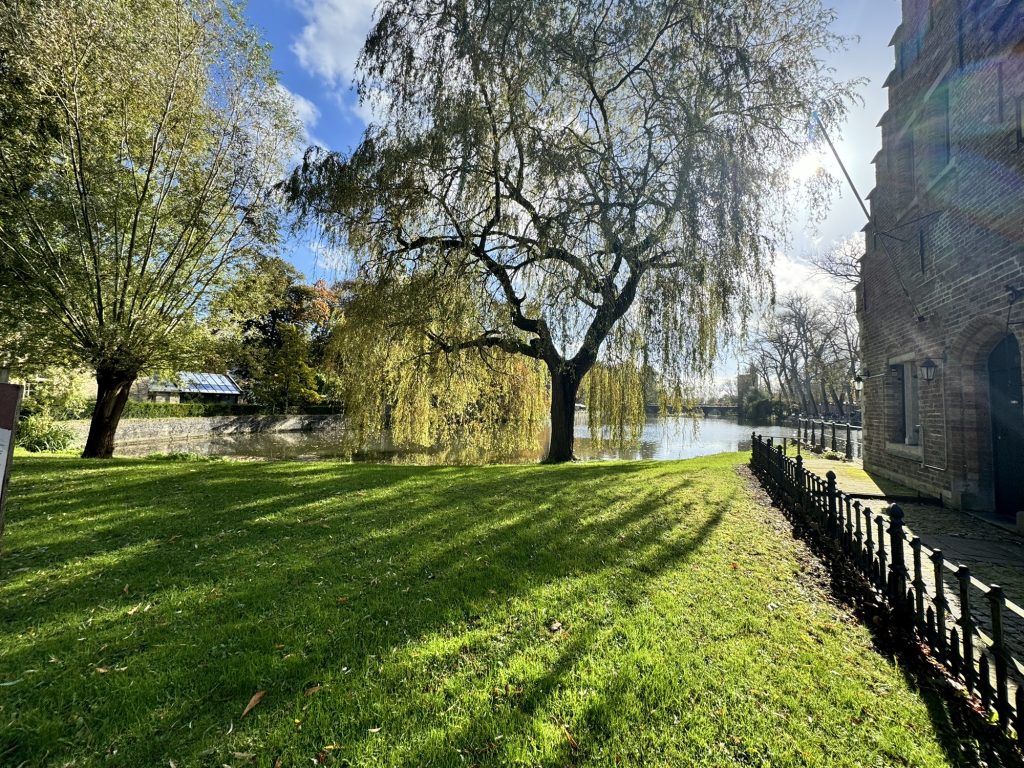
Today we are heading to visit two historical cities named as Bruges and Ghent. We booked the tour using Klook app.
While going from Brussels, the first city we would encounter is Ghent. Before we go into the trip details, let me share a brief history of Ghent:
Ghent is a historic city in Belgium with a rich and varied past. Here’s a brief overview:
1. Early Beginnings:
Ghent’s origins date back to the Roman era, when a settlement developed at the confluence of the rivers Scheldt and Lys. By the 7th century, the area became Christianized under the influence of Saint Amand, who founded two abbeys—St. Bavo’s and St. Peter’s—marking Ghent’s early importance as a religious center.
2. Medieval Prosperity (11th–15th centuries):
Ghent flourished during the Middle Ages, becoming one of the largest and wealthiest cities in Europe by the 13th century. It became a center for the Flemish cloth trade, with its textile industry driving much of its wealth. At its height, Ghent rivaled Paris and London in terms of population and economic power. The city’s guilds and merchants played a central role in its prosperity, and it had considerable autonomy under the Count of Flanders.
3. Revolts and Conflicts (14th–16th centuries):
Ghent had a strong tradition of independence and self-governance, leading to numerous conflicts with ruling powers. In the 14th and 15th centuries, the citizens of Ghent revolted several times against the Counts of Flanders and even the Burgundian rulers, demanding more rights and autonomy.
The most famous revolt, the Revolt of Ghent in 1539, was against Emperor Charles V, who was born in Ghent. After suppressing the rebellion, Charles imposed heavy penalties on the city, diminishing its influence and autonomy.
4. Decline (16th–18th centuries):
Ghent’s importance declined after the 16th century due to economic struggles and political conflicts. The rise of Antwerp and the silting of rivers affected trade, and Ghent’s economy suffered. The city also became embroiled in religious conflicts during the Protestant Reformation and the Eighty Years’ War, which further disrupted its prosperity.
5. Industrial Revolution (19th century):
Ghent experienced a revival during the 19th century, becoming one of the first cities on the European continent to industrialize. Its textile industry saw a resurgence, with factories and mills transforming the city into an industrial center once again. This brought economic growth and modernization, although it also led to social tensions and labor disputes.
6. Modern Era:
In the 20th century, Ghent evolved into a cultural and educational hub, with the founding of Ghent University in 1817. The city played a role in both World Wars but avoided major destruction. Today, it is a vibrant city known for its medieval architecture, cultural institutions, and thriving student population.
Significance:
• Medieval Trade Hub: Ghent was one of Europe’s leading cities during the Middle Ages, particularly for its textile industry.
• Historical Revolts: The city has a history of political defiance, most notably against Emperor Charles V.
• Cultural and Educational Center: Today, Ghent is known for its historical sites, such as the Gravensteen Castle and Saint Bavo’s Cathedral, and its status as a major university town.
First is Ghent city hall
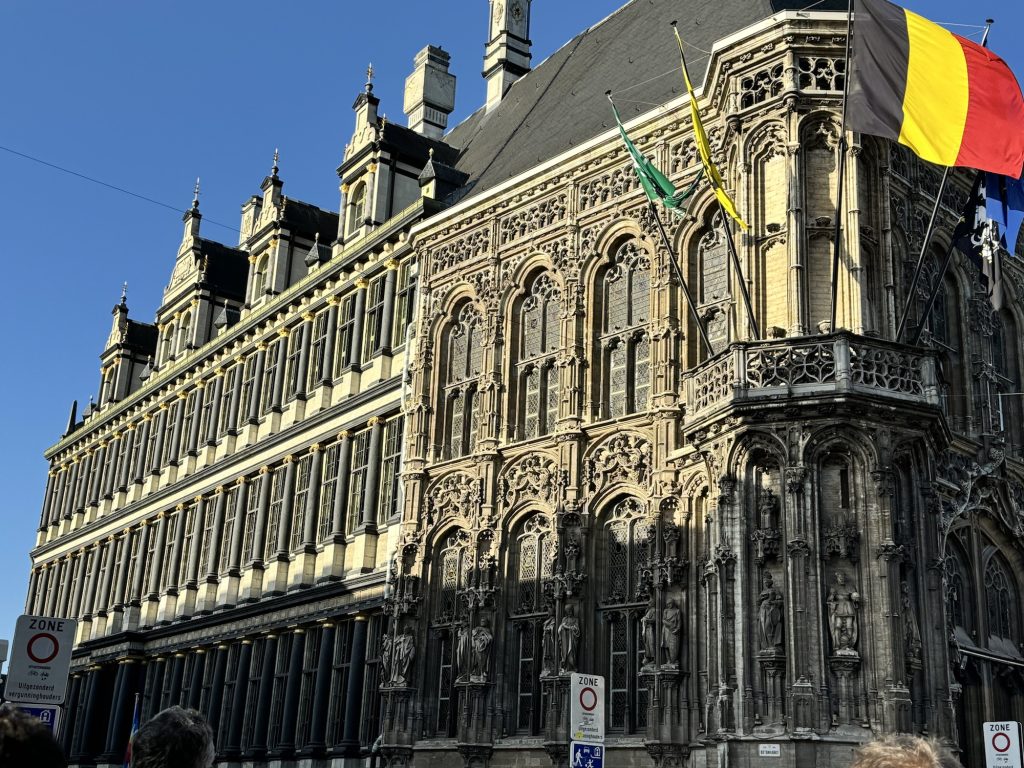
Next is Saint Bavo’s Cathedral
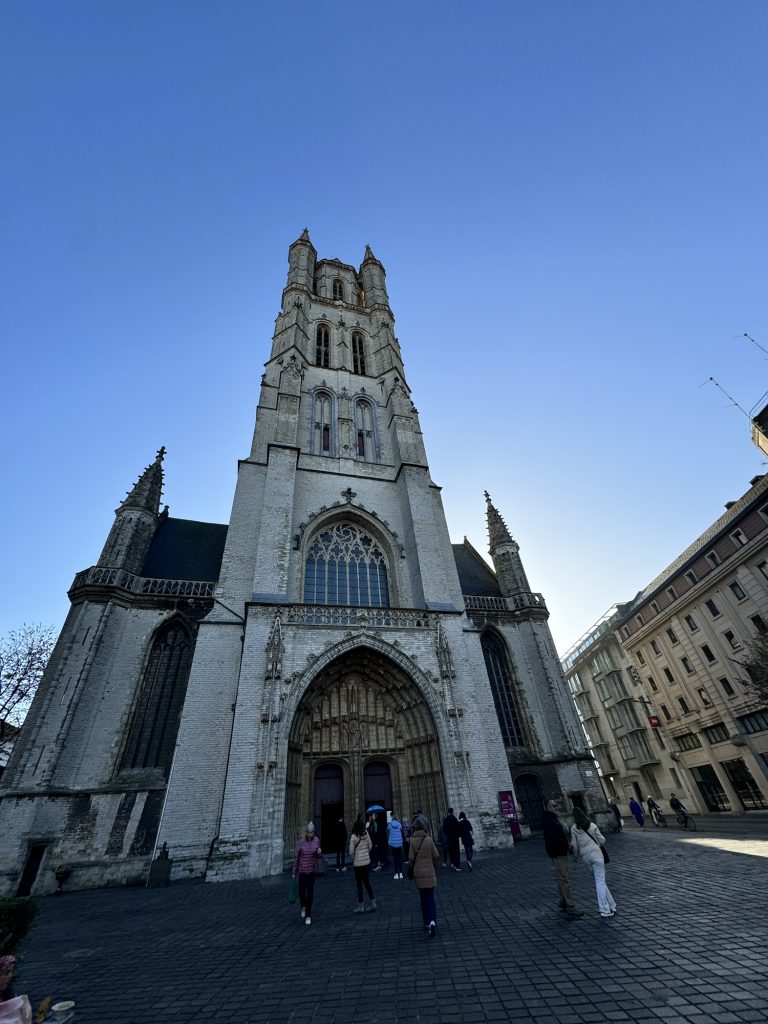
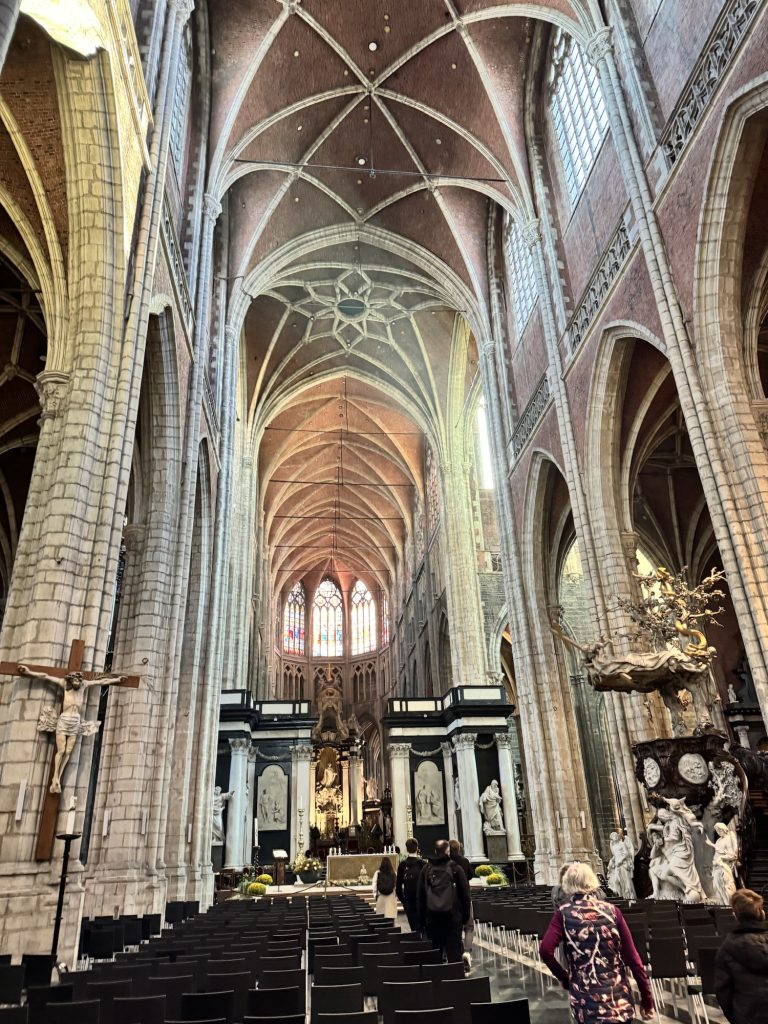
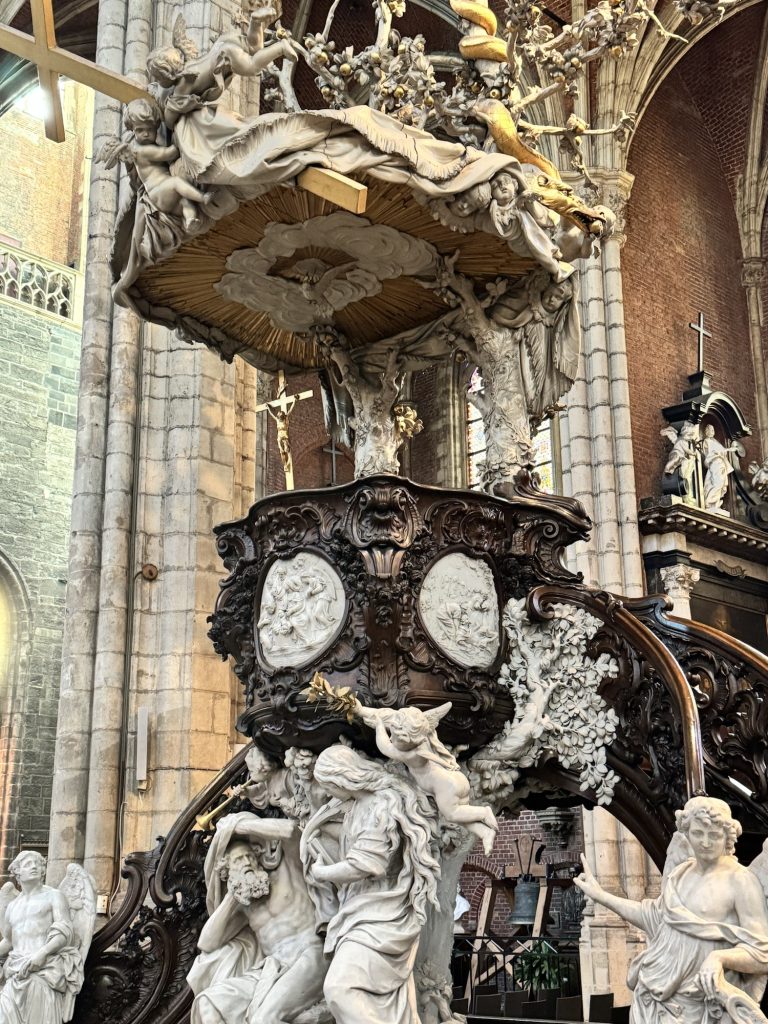
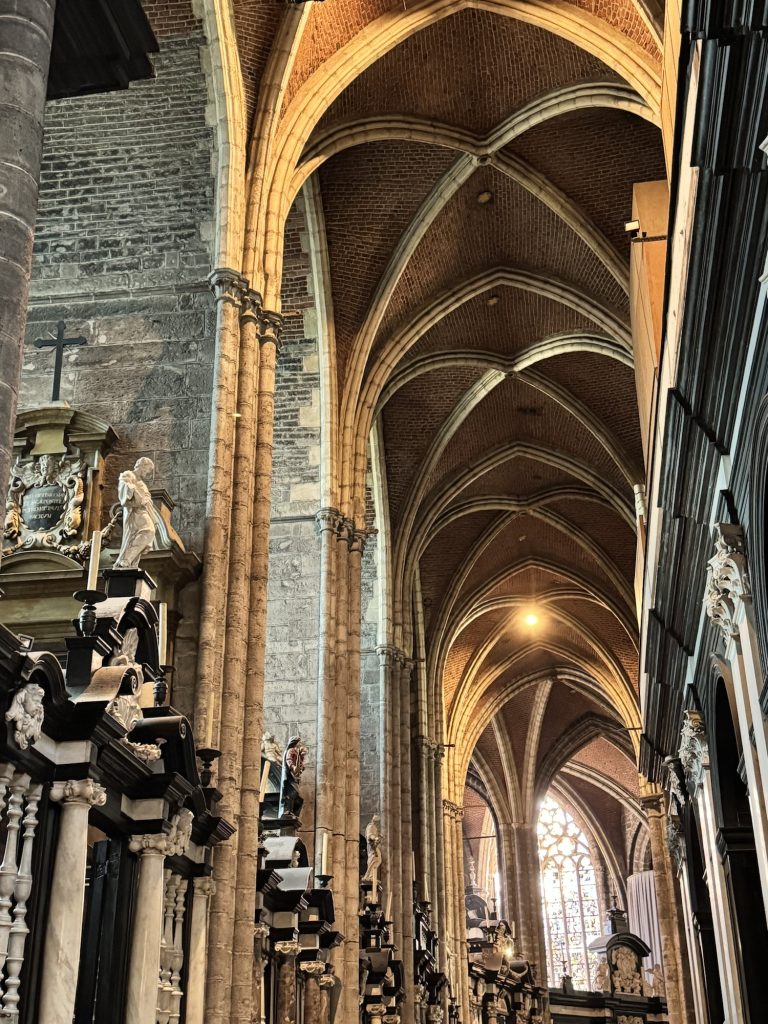
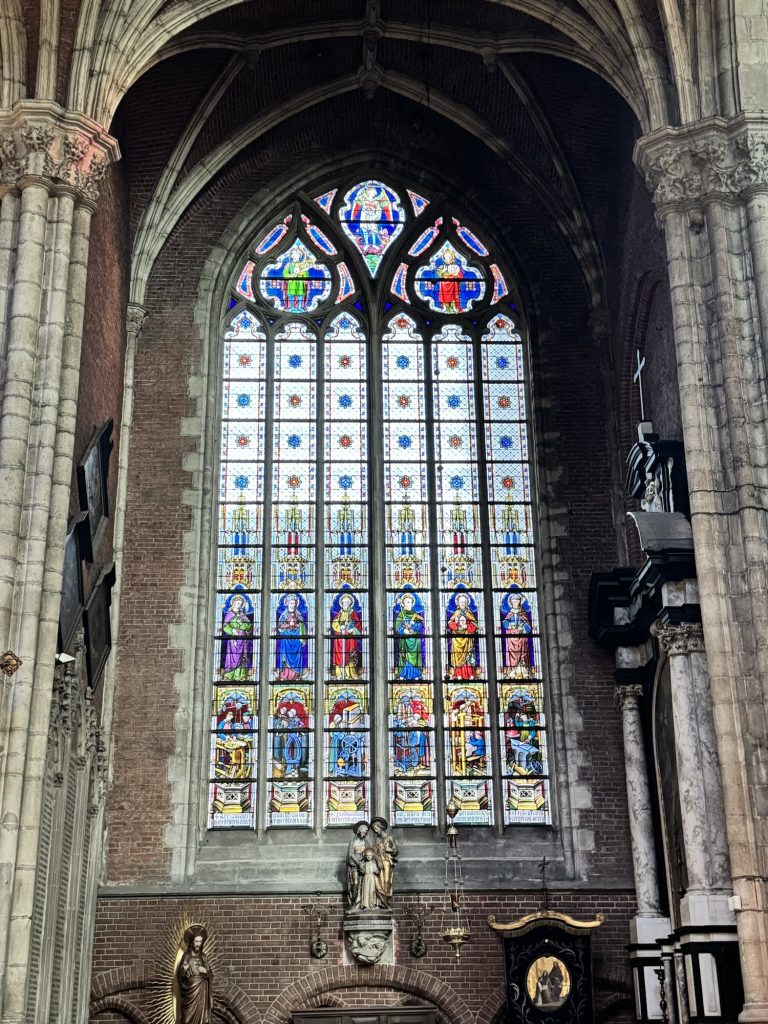
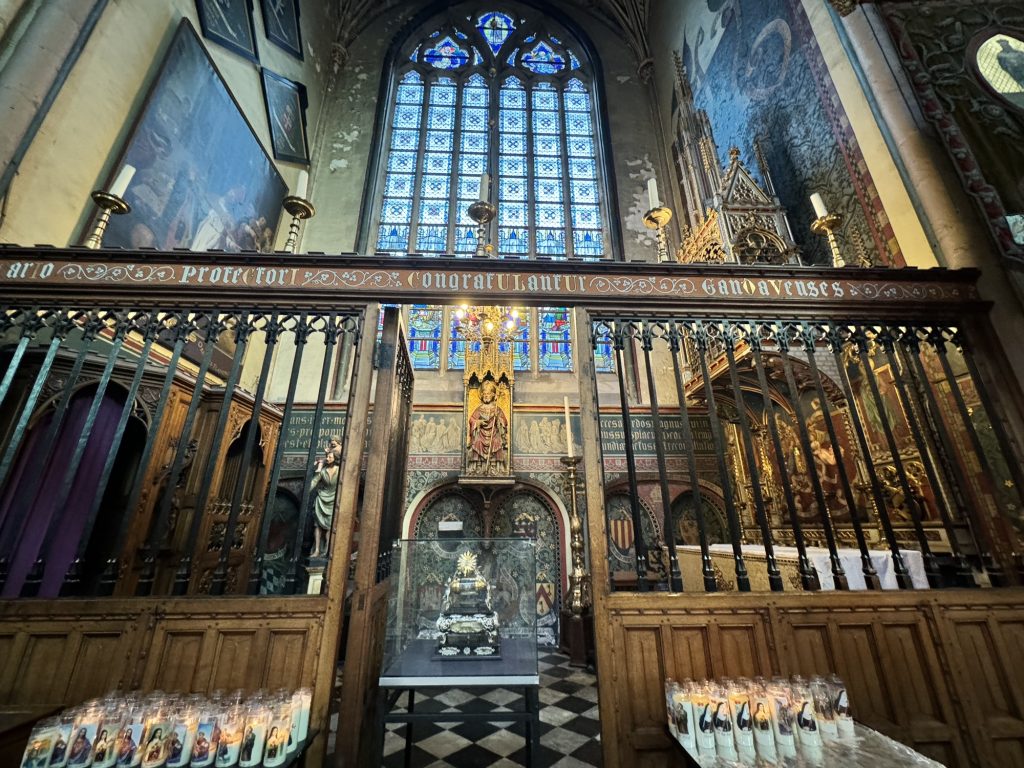
Next to cathedral is:
Belfry of Ghent
Used to be watch tower, important documents were here. Bell tower too. Top most is dragon . Not accessible. Ticket 15 Euro
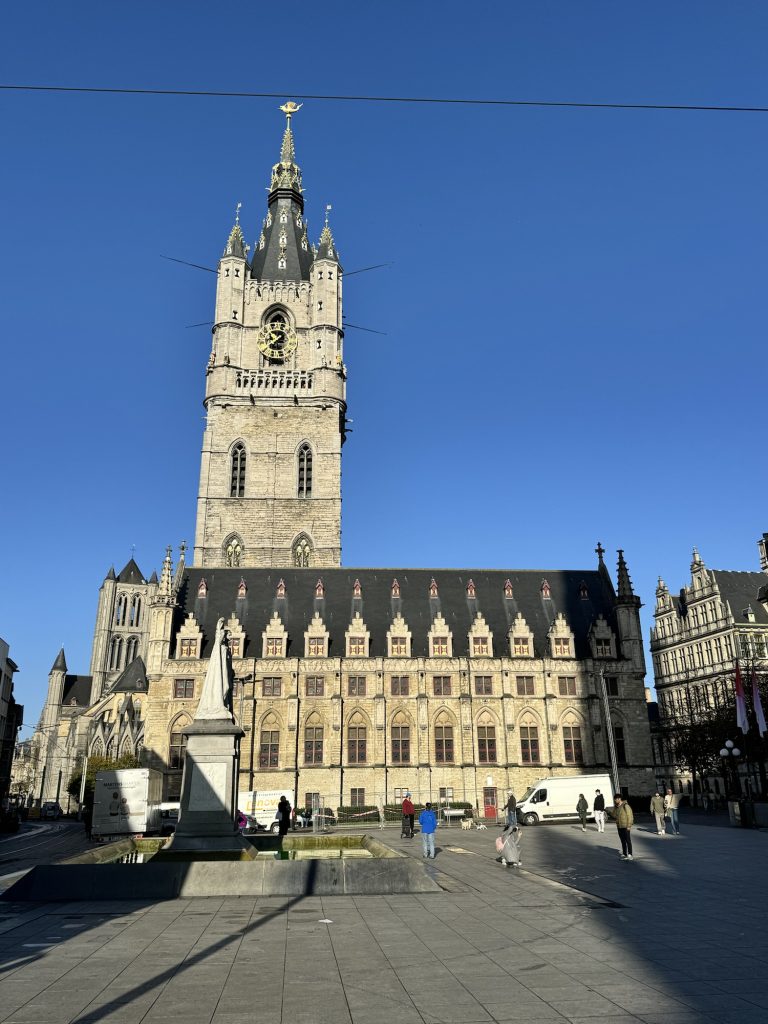
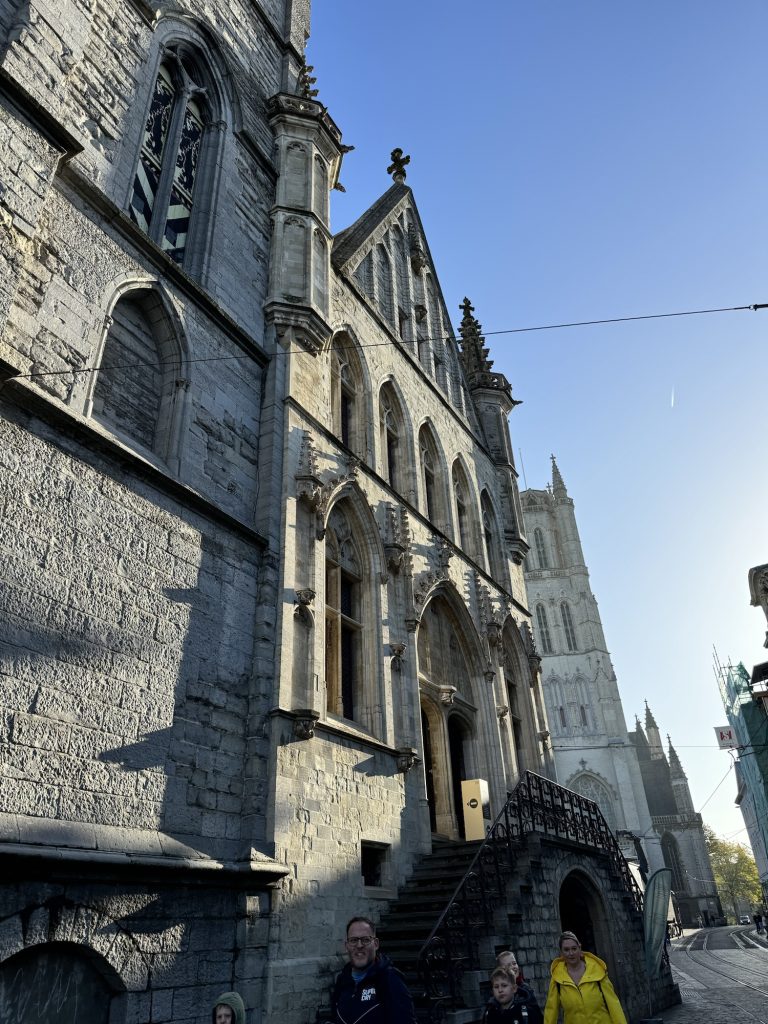
Next is Saint Nicholas’ Church
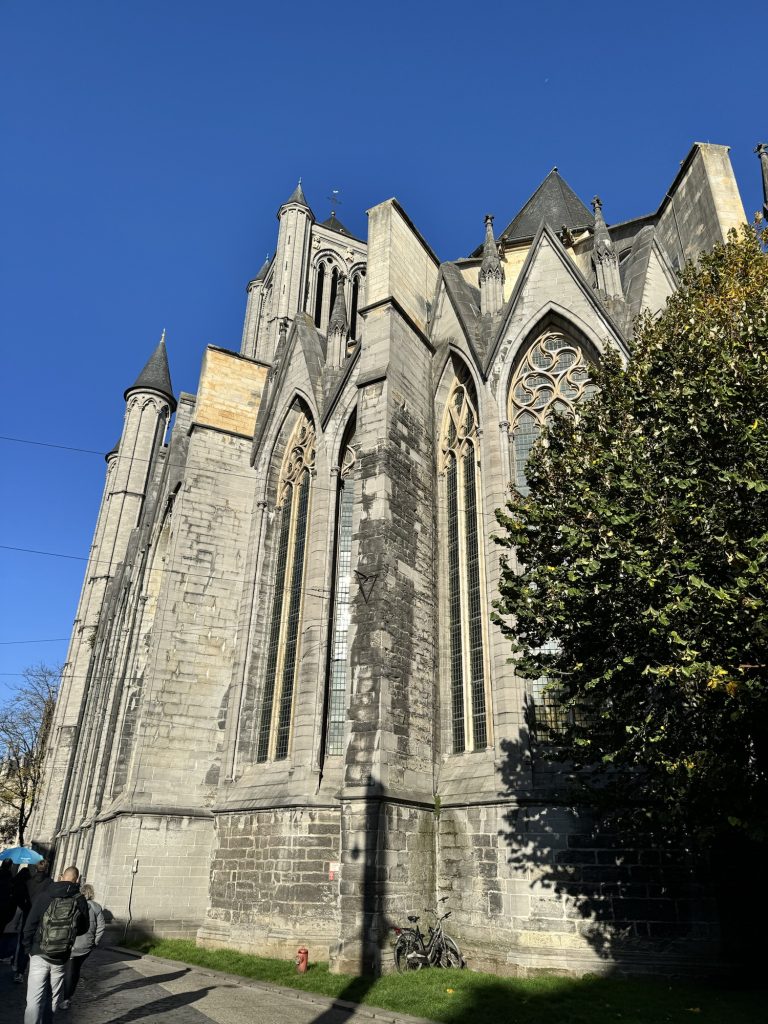
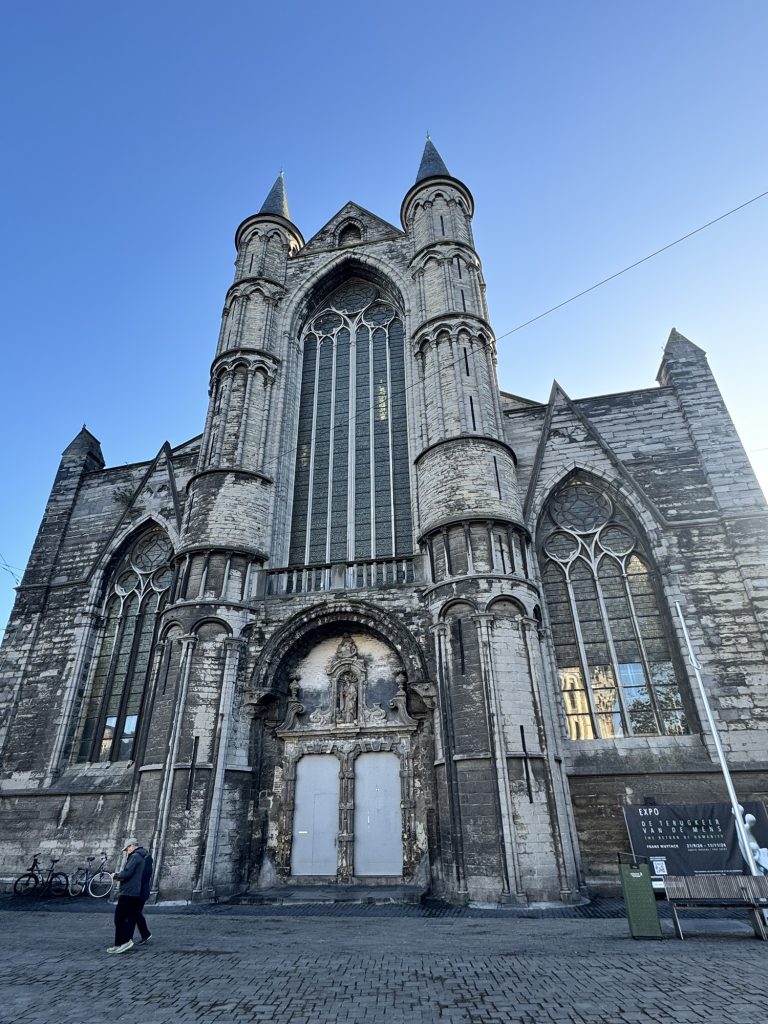
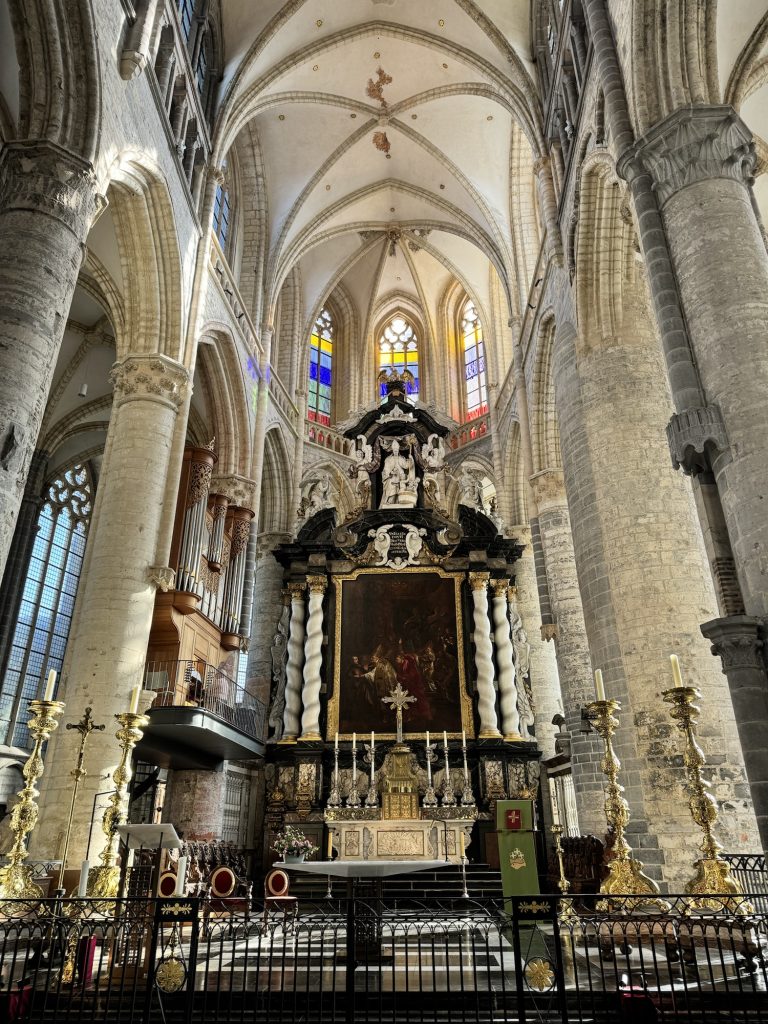
Next is river Leie
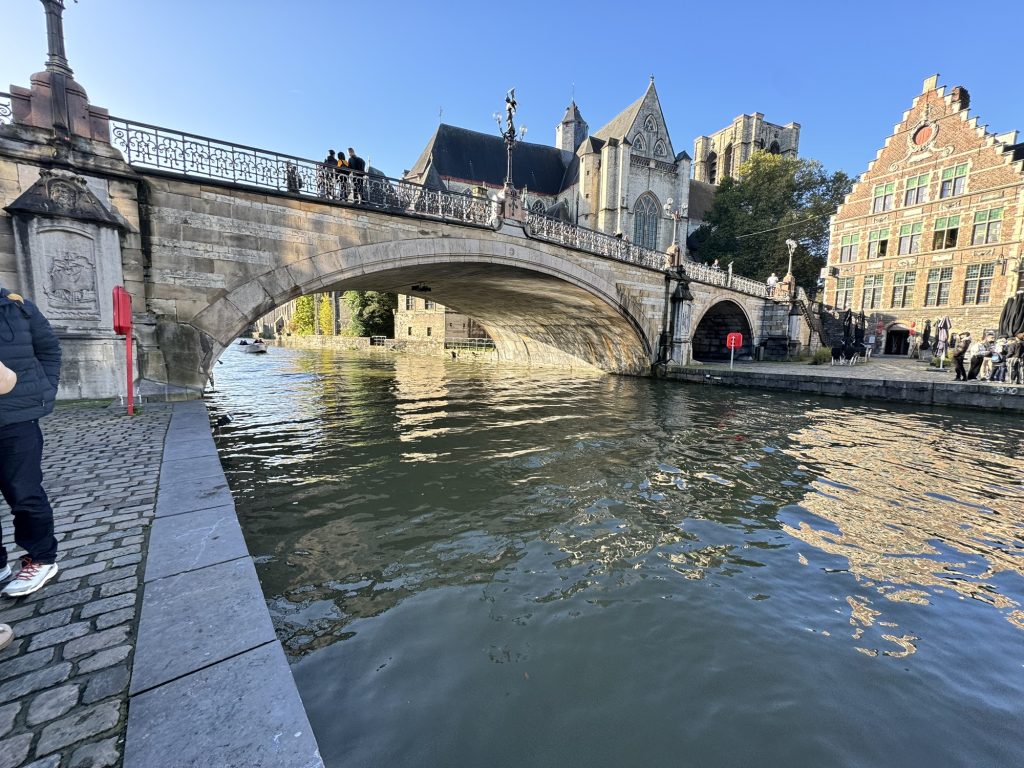
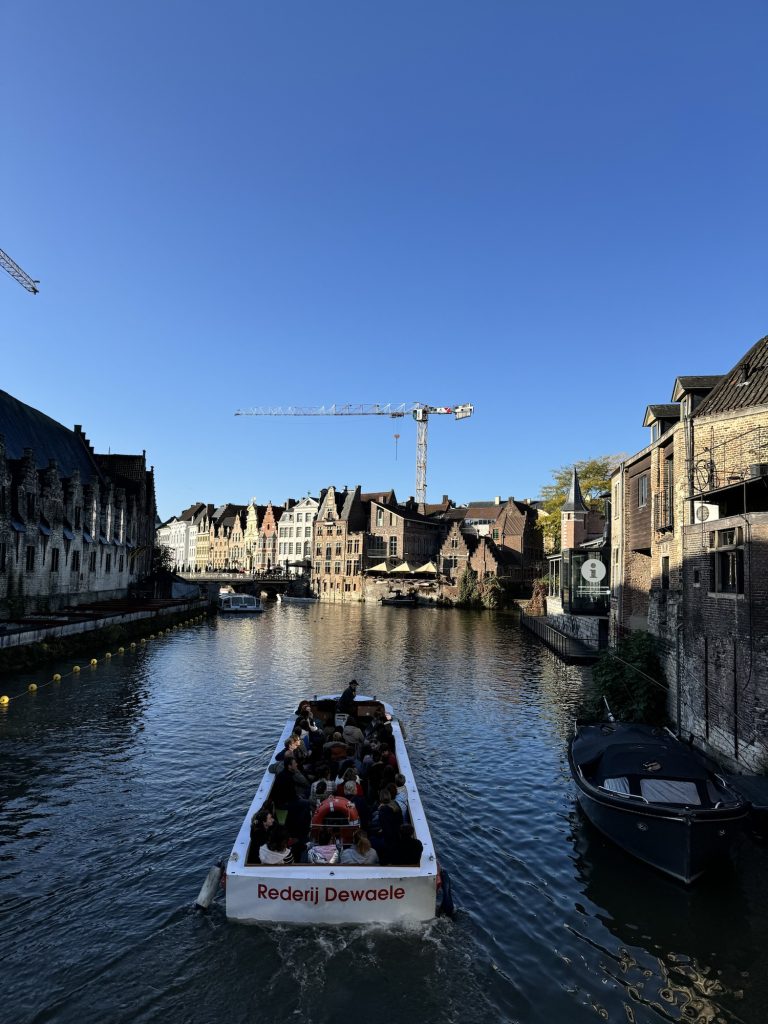
Next is Sint-Veerleplein Castle
Ticket is 13 Euro
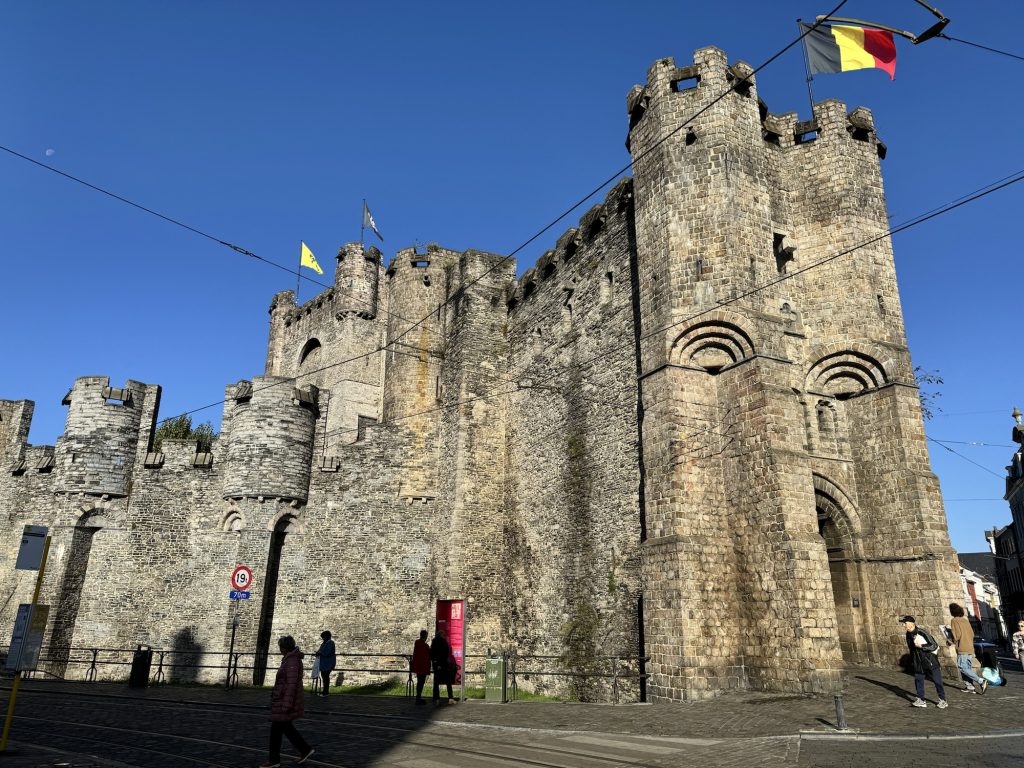
We spent there 3 hours and then headed to Bruges.
We will do walk-in tour, boat tour there. Here is the brief history:
Bruges is a historic city in Belgium known for its well-preserved medieval architecture and canals. Here’s a brief overview of its history:
1. Early Beginnings:
Bruges was originally founded as a fortified settlement by the Franks in the 9th century. Its name likely comes from the Old Dutch word “brugga,” meaning bridge. The city’s proximity to the North Sea made it an important trading center from its earliest days.
2. Golden Age (12th–15th centuries):
Bruges flourished during the medieval period, especially from the 12th to the 15th centuries. It became one of the major trading hubs in Europe, largely due to its access to the sea and the development of trade routes connecting it with other important cities. The city was part of the Hanseatic League, an alliance of trading cities, and grew wealthy through the cloth trade, banking, and commerce.
In the 14th century, Bruges was the center of the Flemish textile industry, and it became a prominent market for Italian, Spanish, and English merchants. The city also became known for its art and culture during this period, attracting artists like Jan van Eyck.
3. Decline (16th–19th centuries):
Bruges’ prosperity began to decline in the 16th century when the Zwin River, which connected the city to the sea, silted up, limiting its access to maritime trade. As Antwerp rose in prominence, Bruges’ importance waned. The city experienced economic stagnation and fell into relative obscurity for centuries.
4. Rediscovery and Tourism (19th century–Present):
In the 19th century, Bruges was “rediscovered” by Romantic writers and artists who were captivated by its medieval charm and historical buildings. This renewed interest led to the city being restored and preserved, setting the stage for Bruges to become a major tourist destination. In 2000, UNESCO designated the historic center of Bruges as a World Heritage Site, cementing its status as one of Europe’s best-preserved medieval cities.
Significance:
• Medieval Trade Center: Bruges was a key European trading hub during its Golden Age.
• Cultural Influence: The city is known for its contributions to medieval art, especially during the Northern Renaissance.
• Tourism: Today, Bruges is famous for its medieval architecture, canals, and cultural heritage, drawing visitors from around the world.